The Leader’s Guide to the Operational Maturity Model: Moving From "Firefighting" to True Innovation
In the modern enterprise, IT operations often feel like a non-stop battle against the clock. For many leaders, the day begins not with strategic planning or innovation, but with a barrage of alerts, emergency war rooms, and the frantic scramble to find out why a critical service is down. This is the "firefighting" trap: a cycle of reactive chaos that drains budgets, exhausts talented engineers, and stalls digital transformation.
But there is a different path. Leading organisations are moving beyond the noise by adopting a structured Operational Maturity Model. This isn't just about technical upgrades; it is a strategic framework designed to move your organisation from a state of constant crisis to one of predictable, automated, and innovative excellence.
At Visibility Platforms, we see the struggle every day. The problem usually isn’t a lack of talent or even a lack of tools. It is the Maturity Gap: the disconnect between having an expensive suite of monitoring software and actually extracting tangible business value from it.
The High Cost of the "Firefighting" Culture
Why are so many teams stuck in reactive mode? In an unforgiving digital landscape, the pressure to deliver features faster often leads to a "deploy now, fix later" mentality. When internal systems lack a cohesive observability strategy, visibility becomes fragmented.
Firefighting isn't just a technical burden; it’s a massive drain on ROI. When your most expensive senior engineers are spending 40% of their week triaging recurring incidents, they aren't building the next revenue-generating product. The economic pressure is clear: Can we continue to do more with less? Not if we are constantly throwing human capital at problems that should have been automated months ago.

Understanding the Operational Maturity Model
To escape the cycle, leaders must first diagnose where they sit on the maturity scale. We categorise this progression into five distinct stages that define how an organisation handles its digital performance.
1. The Reactive Stage (Ad-Hoc)
At this level, monitoring is fragmented. Different teams use different tools, and there is no "single source of truth." Alerts are noisy and often ignored until a customer complains. This is the peak of the firefighting era, where incident response is heroic rather than process-driven.
2. The Managed Stage (Standardised)
Here, the organisation begins to prioritise consistency. Key metrics are defined, and basic dashboards are in place. However, the focus is still largely on infrastructure (up/down) rather than the end-user experience.
3. The Proactive Stage (Data-Driven)
This is where the shift happens. By leveraging observability services, the team starts to identify trends before they become outages. We begin to see the implementation of automated alerts that actually mean something, allowing teams to intervene during the "yellow" phase before the system turns "red."
4. The Predictable Stage (Analytic-Led)
In stage four, the organisation uses AI and machine learning to predict potential failures. Using platforms like Dynatrace or LogicMonitor, the system understands "normal" behaviour and flags anomalies that a human would never spot.
5. The Optimising Stage (True Innovation)
At the pinnacle of maturity, observability is woven into the business fabric. Operations are so stable and automated that the focus shifts entirely to digital performance and user delight. This is where IT stops being a cost centre and becomes a primary driver of digital transformation consulting outcomes.
Closing the "Maturity Gap"
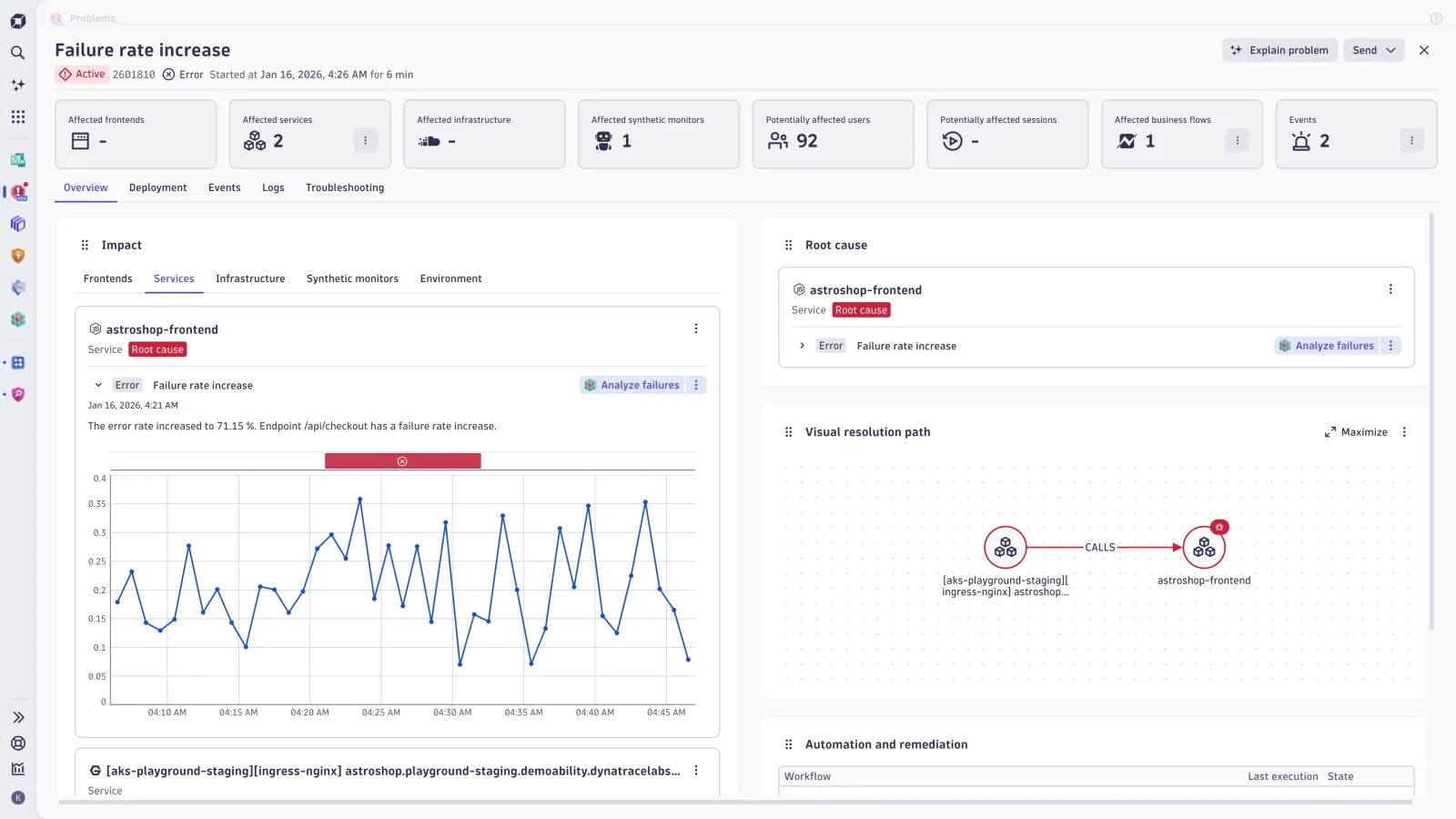
Interestingly, we often find that companies own the best tools on the market but are still stuck at Stage 1 or 2. This is the Maturity Gap. You might have Kentik for network insights or Dynatrace for application performance, but without a strategic roadmap, these are just expensive mirrors reflecting your own chaos.
The Fall of Giants often starts here. Large enterprises assume that buying the "Magic Quadrant" leader is enough. In our view, the tool is only 20% of the solution. The other 80% is the people, process, and culture that dictate how that data is used to drive business decisions.
Are your dashboards showing technical metrics, or are they showing the cost of downtime to the CEO? If you can't answer that, your observability strategy needs a pivot.
Our Approach: The Fractional Expert Advantage
Most organisations don't need a massive team of full-time observability architects to reach Stage 5. What they need is high-impact, outcome-driven guidance that bridges the gap between technical silos and executive goals.
This is where Visibility Platforms changes the game. We offer a unique, flexible engagement model: the fractional expert. By embedding our specialists into your team for just 1-2 days a week, we provide the senior leadership and technical oversight required to move the needle without the overhead of a full-time executive hire.
Why Vendor-Neutrality Matters
The market is crowded, and every vendor claims to have the "silver bullet." We take a different stance. Our services are strictly vendor-neutral. Whether you are leveraging Kentik for traffic analysis, LogicMonitor for infrastructure, or Dynatrace for full-stack AI-ops, our goal remains the same: Total Visibility.
We don't sell software; we sell outcomes. We help you sweat your existing assets to ensure you aren't over-licensing while under-utilising.

Strategic Observability: The Engine of ROI
To move from firefighting to innovation, you must treat observability as a core business discipline. It is the only way to gain the momentum required for a successful cloud migration or a modern microservices architecture.
When we talk about digital performance, we aren't just talking about page load times. We are talking about the business ROI of a seamless customer journey. A mature operational model allows you to:
Reduce MTTR (Mean Time to Resolution): Stop the bleeding faster by identifying the root cause in seconds, not hours.
Improve MTTD (Mean Time to Detection): Find the smoke before the fire starts.
Optimise Cloud Spend: Identify "zombie" resources and over-provisioned clusters that are eating your budget.
Enable Innovation: Free your developers from the "on-call nightmare" so they can focus on shipping features.
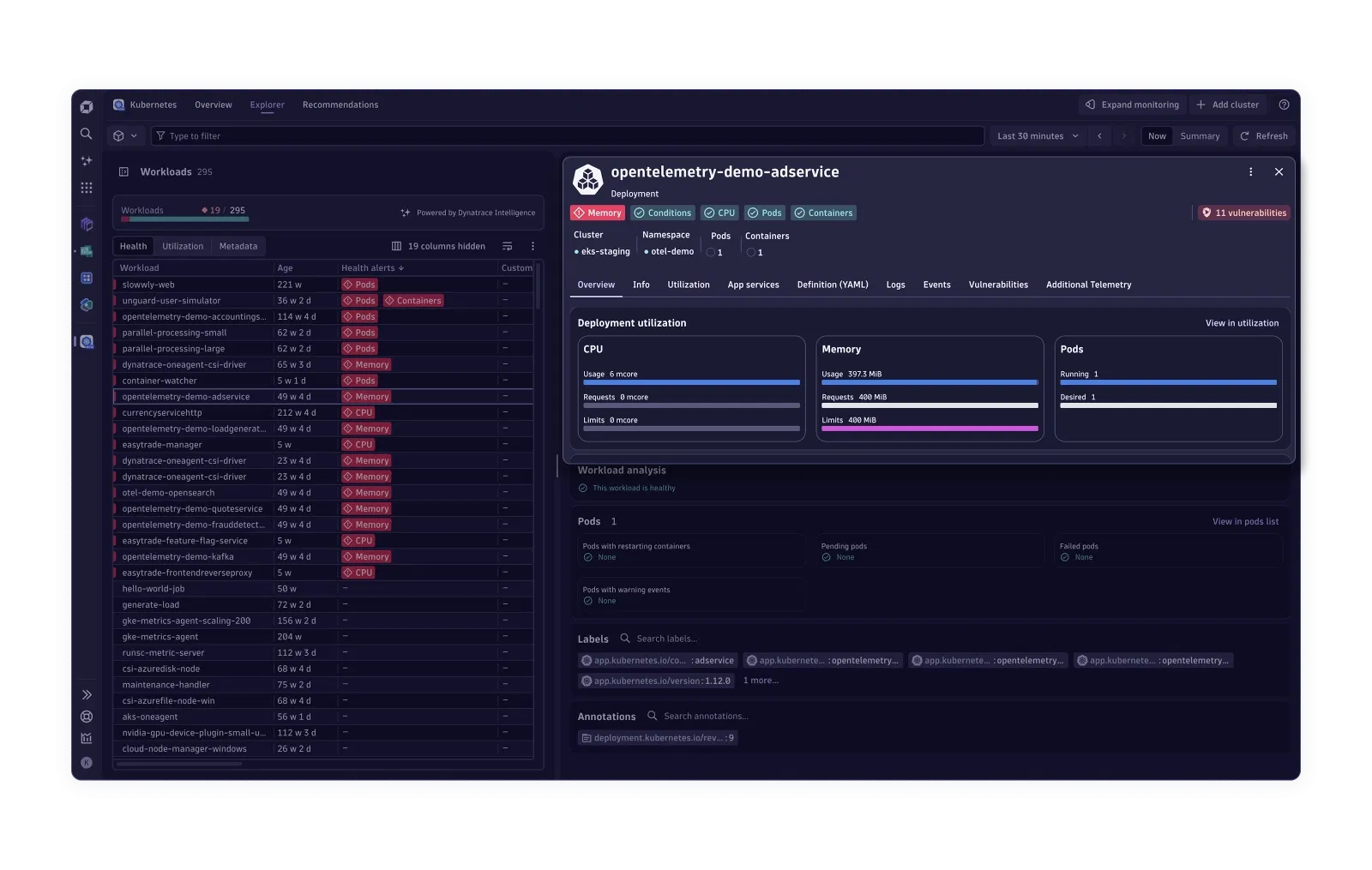
Leading the Pack: A Roadmap for the Future
The shift toward operational maturity is a journey, not a destination. As we look toward 2026 and beyond, the complexity of IT environments will only increase. With the rise of AI-generated code and ephemeral serverless architectures, the "old way" of monitoring is dead.
In our view, the companies that will dominate their markets are those that treat their operational data as a strategic asset. They don't just "monitor" their systems; they observe their business.
Are you ready to stop the firefighting? The transition requires a stark reminder that doing the same thing will only yield the same results. It takes a bold step to move away from the comfort of the "status quo" and embrace a model that demands accountability and visibility.
How Visibility Platforms Can Help
Building a world-class observability practice is difficult to do alone. Our team of experts specializes in helping leaders navigate this exact transition. From initial digital transformation consulting to the hands-on implementation of a cross-platform strategy, we provide the roadmap you need to reach the "Optimising" stage.
Whether you need a comprehensive audit of your current stack or a fractional lead to guide your internal teams, we are here to ensure your technology investments deliver the value they promised.

Does your current strategy move the needle, or are you just watching the gauges while the engine overheats?
It’s time to move beyond the dashboard. It’s time to move beyond the fire. Let’s talk about how we can help you build an organisation that doesn't just survive the digital age but thrives in it.
Visibility Platforms: Optimising outcomes through total visibility.
Comments